
Heirlooms That Serve Another Generation
Antique Furniture Restoration in The Bronx for pieces with historical value requiring careful repair
Antique furniture carries craftsmanship and construction methods no longer used in modern manufacturing—dovetail joints cut by hand, solid wood throughout, finishes applied with techniques that predate spray equipment. These pieces develop structural issues over decades: loose joinery from wood movement, finish deterioration from UV exposure and cleaning products, veneer separation from adhesive failure. Lore Decorator Custom Interior restores antique furniture by addressing mechanical failures while preserving original character, allowing these items to remain functional rather than becoming fragile display pieces.
Restoration involves stabilizing structure first—regluing loose joints, replacing missing veneer sections with period-appropriate wood, reinforcing weakened frames without modern fasteners that compromise authenticity. Finish work follows, using methods that match original application techniques where appropriate or applying modern protective coatings that preserve underlying craftsmanship. The goal remains keeping antiques in active use while maintaining the details that define their era and origin.
Schedule an evaluation to review structural concerns and discuss restoration approaches appropriate for each piece's age and condition.
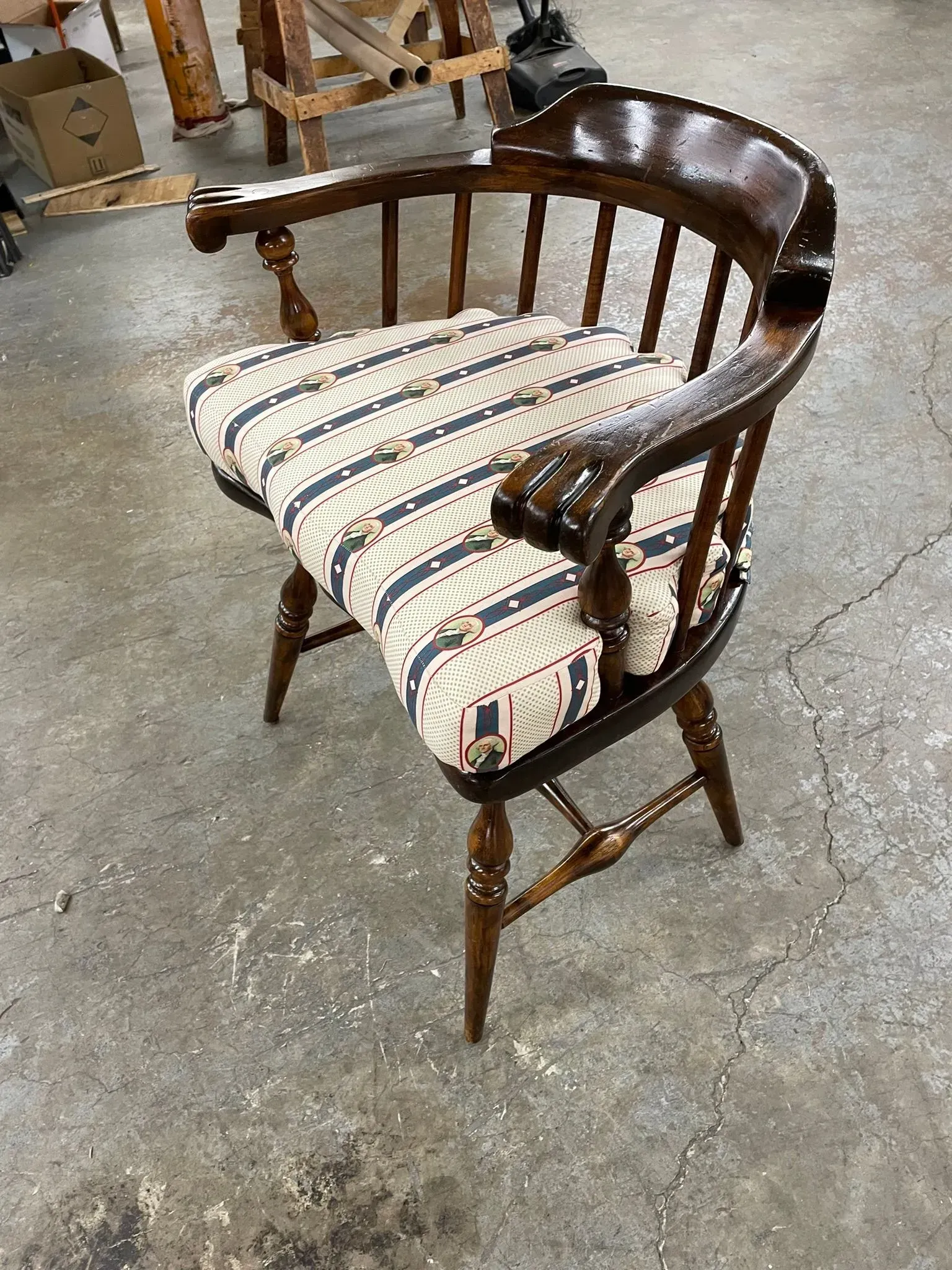
Why Antique Restoration Demands Specific Techniques
Antique furniture uses hide glue, which releases under controlled heat and moisture, allowing joint disassembly for proper cleaning and regluing without damaging surrounding wood—modern adhesives create permanent bonds that prevent future repairs. Original finishes like shellac, lacquer, or oil require specific solvents and application methods that differ from contemporary polyurethane systems. Wood species identification matters because antiques often contain mahogany, rosewood, or walnut that responds differently to refinishing than oak or pine common in later furniture.
After restoration, antique furniture regains structural stability—chairs support weight without wobbling, drawers slide smoothly on refitted runners, table leaves align properly when extended. Surface appearance improves as finish repairs eliminate cloudiness, scratches, and discoloration while retaining patina that indicates age. You'll notice details like inlay work, hand-carved elements, and original hardware become visible again once grime and degraded finish are addressed.
Restoration decisions balance preservation with functionality—some collectors prefer minimal intervention that maintains all original material even with visible wear, while others prioritize returning pieces to full utility with discrete repairs. Documentation photographs before and during restoration provide records of original condition and work performed. Antiques with significant monetary or historical value may warrant conservation-grade approaches that emphasize reversibility, while family heirlooms often benefit from practical restoration that enables continued daily use.
Common Questions About This Service
Restoration planning requires understanding each piece's condition, value, and intended future use.
What makes antique restoration different from standard furniture repair?
Restoration preserves original construction methods, materials, and finishes where possible, using period-appropriate techniques and avoiding modern shortcuts like screws in place of traditional joinery or thick polyurethane over delicate shellac.
How is restoration cost determined for individual pieces?
Assessment considers structural damage extent, finish condition, missing components requiring fabrication, and research needed to identify appropriate materials—extensive veneer replacement or recreating missing carved details increases labor compared to simple regluing.
When should antiques be stabilized versus fully restored?
Stabilization addresses immediate structural concerns to prevent further damage while leaving finish and cosmetic issues untouched, appropriate when budget limits exist or when preserving all original material matters more than appearance.
What documentation helps during restoration consultation in The Bronx?
Photographs showing damage areas, provenance information about the piece's origin and age, and previous repair history guide restoration planning and help identify original construction details.
How should restored antiques be maintained to prevent future damage?
Control indoor humidity between 40-50% to minimize wood movement, keep furniture away from heating vents and direct sunlight, and use appropriate cleaning products for the finish type—avoid all-purpose cleaners containing silicone or ammonia.
Lore Decorator Custom Interior develops customized restoration plans based on each antique's condition, historical significance, and the owner's functional needs. Call (718) 801-5060 to arrange an assessment for heirloom furniture requiring structural or finish restoration.