
Restoring Furniture Without Replacing It
Furniture Upholstery Services in The Bronx for sofas, chairs, and dining seating requiring fabric updates, structural repairs, and restored comfort that extends furniture lifespan
Quality furniture frames remain structurally sound long after upholstery fabric wears out, cushions lose support, or styles become outdated—replacing entire pieces discards durable hardwood or steel construction that could serve decades more with proper restoration. Lore Decorator Custom Interior provides furniture upholstery services throughout The Bronx and the New York Metropolitan Area, reupholstering sofas, chairs, ottomans, dining seating, and specialty pieces to restore both appearance and functionality while preserving the underlying craftsmanship.
Upholstery services begin with evaluating the furniture's frame integrity, examining springs, webbing, and padding for wear or damage, and determining whether structural repairs are needed before new fabric is applied. Fabric selection involves coordinating with existing room design, choosing materials that suit the furniture's use and traffic level, and deciding on finishes like welting, tufting, or nailhead trim that define the piece's style. The process includes stripping old fabric, repairing or replacing cushion foam and batting, reinforcing frame joints if necessary, and applying new upholstery with tight, professional seams.
Schedule an upholstery evaluation to discuss fabric options and determine restoration needs for your furniture..
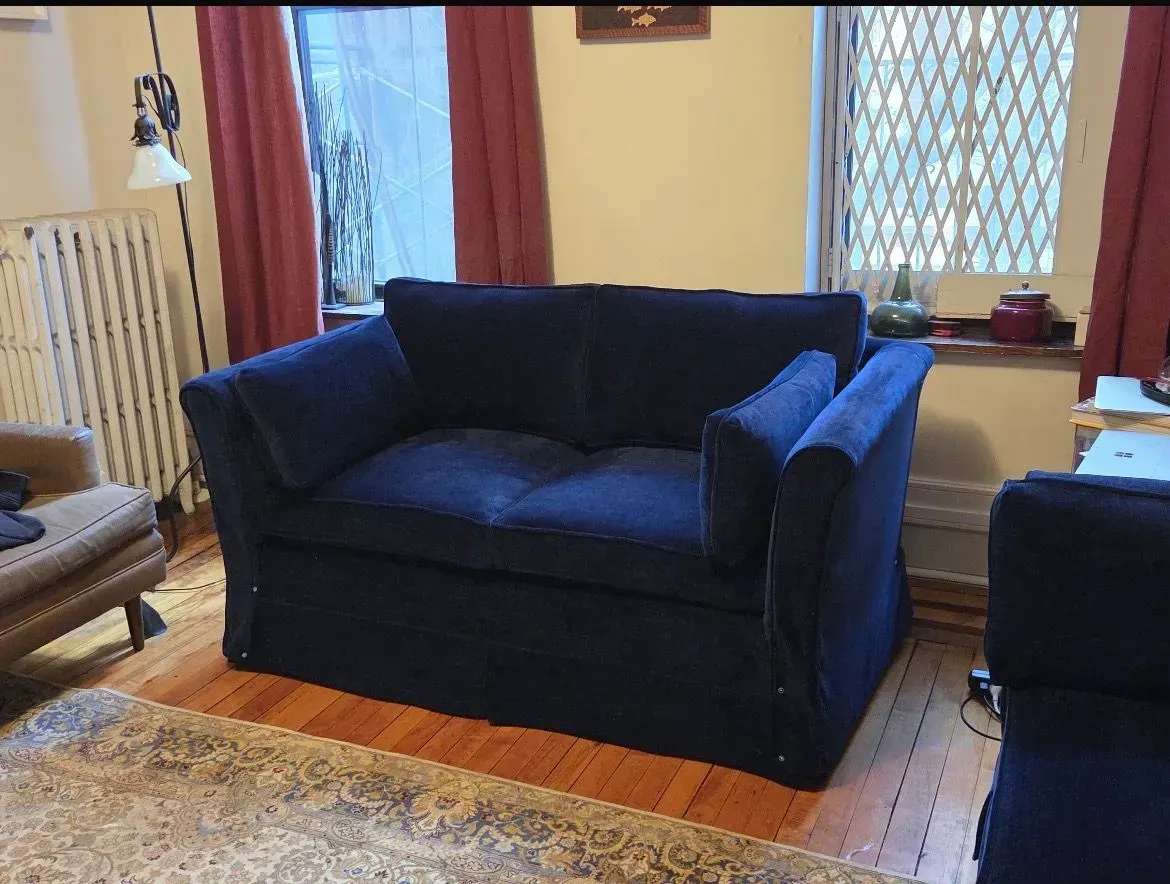
What Upholstery Restoration Actually Involves
Reupholstering furniture requires removing existing fabric layers to expose the frame and internal structure, assessing spring systems for sagging or breakage, replacing worn padding or support materials that no longer provide adequate cushioning, and re-covering the piece with selected fabric applied taut and smooth across all surfaces. For furniture with tufted backs, rolled arms, or decorative details, upholstery work replicates or updates those design elements to match the new style direction while maintaining structural integrity.
Once upholstery is completed, furniture looks and feels renewed—cushions regain firm support, fabric appears fresh without stains or fading, seams sit flat and aligned, and the piece integrates visually with updated room design. Furniture that was sidelined due to worn appearance or discomfort returns to daily use, and quality frames that might have been discarded continue serving for years without the cost of replacement.
Upholstery services address contemporary and traditional furniture styles, from mid-century modern lounge chairs to classic wingback seating and sectional sofas. Fabric choices range from durable performance textiles for high-traffic family rooms to refined velvets and linens for formal living spaces, with selections guided by how the furniture will be used and what design aesthetic it should support.
Upholstery Questions Homeowners Typically Ask
Homeowners considering upholstery services often want to know what the process involves, how fabric choices affect durability, and whether their furniture is worth restoring.
What determines whether furniture should be reupholstered or replaced?
If the frame is solid hardwood, joints are tight or easily repaired, and the furniture's scale and style fit your space, reupholstering is usually more cost-effective than purchasing comparable new pieces—furniture with damaged frames, broken springs beyond repair, or poor original construction may not justify restoration costs.
How does fabric selection affect long-term durability?
Fabrics are rated by double rub counts that measure abrasion resistance—performance textiles with high counts resist wear in high-traffic areas, while natural fibers like linen or cotton suit lower-use spaces but may show wear faster with daily contact.
Can upholstery change the furniture's style?
Yes—updating fabric, replacing skirts with exposed legs, adding or removing tufting, and changing trim details can shift furniture from traditional to contemporary or refresh outdated styles without replacing the underlying structure.
Why do upholstery timelines vary between projects?
Complex pieces with multiple cushions, detailed tufting, or intricate frames require more labor than simple dining chairs or ottomans—fabric availability, structural repairs, and custom trim fabrication also affect turnaround time.
What upholstery challenges are common in older furniture found in Bronx homes?
Many older pieces feature coil springs that sag or break over time, horsehair or cotton padding that compresses and loses shape, and frames with loose joints that need regluing—restoring these elements before applying new fabric ensures the furniture performs as intended and lasts for years.
Lore Decorator Custom Interior restores furniture through skilled upholstery work, combining structural repairs with fabric selections that align with your design goals and usage requirements. Request a consultation to evaluate your furniture and explore upholstery options.