
Pieces Built Around Your Exact Requirements
Custom Furniture Design in The Bronx for spaces with dimensions or needs standard furniture can't address
Standard furniture dimensions often miss by inches—a sofa too long for an alcove, a table too narrow for comfortable seating, shelving that leaves awkward gaps. Custom furniture design solves these mismatches by creating pieces built to specified measurements and functional requirements. Lore Decorator Custom Interior works through a collaborative process from initial concept sketches to final fabrication, producing furniture that fits architectural constraints while reflecting individual style preferences. Homeowners with unusual room layouts, specific storage needs, or design visions not available in retail furniture catalogs find custom creation delivers exactly what they need.
The design process starts with understanding room dimensions, intended use, and aesthetic direction—measurements account for baseboards, door swings, and ceiling heights that affect furniture placement. Material selection follows: wood species, upholstery fabrics, hardware finishes, and construction methods that align with durability needs and budget parameters. Design details get refined through sketches or renderings before fabrication begins, ensuring the final piece matches expectations for appearance and function.
Discuss initial ideas for furniture that addresses specific room challenges or design preferences not found in standard offerings.
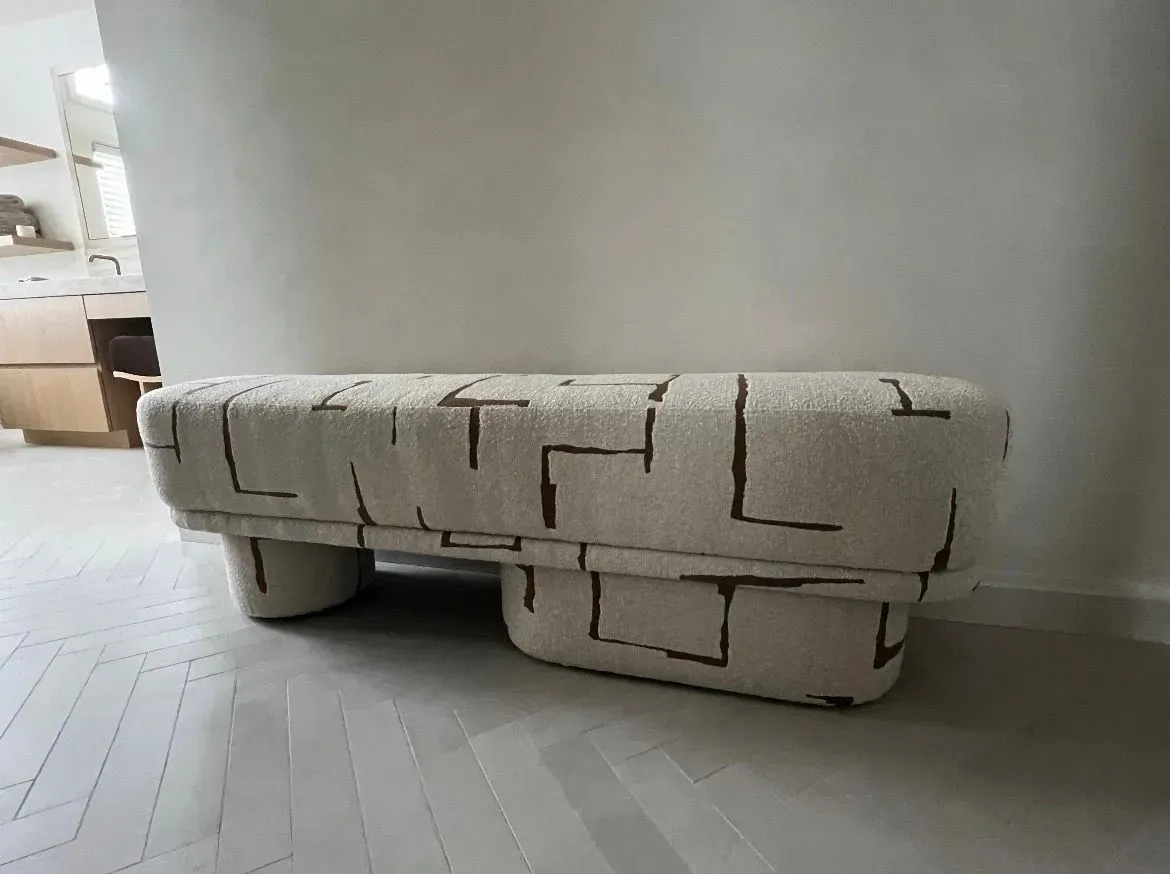
What Custom Furniture Creation Involves
Custom fabrication begins with detailed design drawings that specify dimensions, joinery methods, finish specifications, and upholstery details if applicable. Wood is selected for grain pattern and color consistency, then milled to exact dimensions before joinery cuts are made—mortise and tenon joints, dovetails, or dowel construction depending on structural requirements and style. Finishing involves multiple steps: sanding through progressive grits, stain or dye application, and protective topcoats that cure fully before delivery.
Once installed, custom furniture fills spaces precisely—no gaps at walls, proper height relationships to surrounding elements, and proportions that balance room scale. You'll notice improved functionality as storage compartments align with what you actually need to store, seating dimensions suit your household's preferences, and work surfaces land at comfortable heights. Custom pieces also coordinate visually with existing furnishings through matched wood tones, complementary upholstery, or design details that echo architectural elements.
Customization extends beyond dimensions to include modifications like adjustable shelving, hidden storage compartments, integrated lighting, or convertible features that adapt furniture to multiple uses. Design limitations come from structural engineering—certain spans require support, drawer sizes need proportional depth, and upholstered elements must maintain comfortable angles. Quality custom furniture uses joinery and construction techniques that create heirloom-grade durability, often outlasting mass-produced alternatives by decades.
What Property Owners Usually Ask
Custom design decisions involve balancing function, aesthetics, materials, and practical constraints.
What information is needed to begin custom furniture design?
Room measurements including ceiling height and architectural features, intended use and storage requirements, style preferences with reference images, and budget parameters guide initial design development.
How do material choices affect furniture durability and appearance?
Hardwoods like oak, maple, or walnut resist denting better than softer pine, while wood grain patterns vary from straight to highly figured—material selection impacts both visual character and long-term wear resistance.
When does custom furniture make sense versus modifying existing pieces?
Custom creation works best when no existing furniture comes close to required dimensions or when design vision demands specific details unavailable in manufactured options—modification suits pieces needing minor dimensional or functional adjustments.
What timeline should be expected for custom furniture projects in The Bronx?
Design development typically requires two to three weeks for revisions and approvals, followed by fabrication time that varies by complexity—simple tables may complete in four weeks while upholstered seating or intricate cabinetry extends to eight or more weeks.
How are design changes handled once fabrication begins?
Early-stage changes to dimensions or finish can usually be accommodated, but modifications after joinery cuts or upholstery work begins may require restarting certain components—finalizing design details before fabrication starts prevents costly revisions.
Lore Decorator Custom Interior creates furniture tailored to individual room dimensions, functional needs, and aesthetic preferences throughout The Bronx. Contact (718) 801-5060 to start design conversations about pieces that solve specific spatial or stylistic challenges in your home.